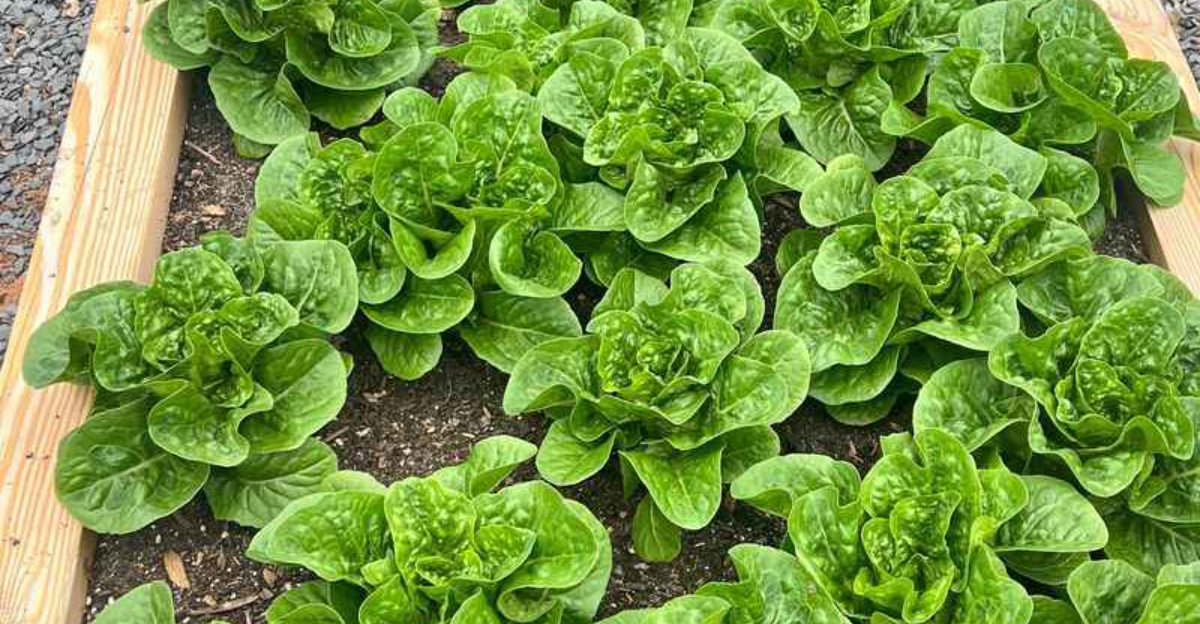
Fast-Growing Veggies for Your June Garden: Harvest Fresh Produce Soon
Is your garden still looking a little sparse, or did you miss the spring planting window? Don't despair! June is far from too late to kickstart your vegetable patch. In fact, for many regions and specific crops, late June can be an incredibly productive time for planting. With warm soil temperatures and long daylight hours, many fast-growing vegetables germinate quickly and mature rapidly, promising a bountiful harvest of fresh produce well into the fall. If you're wondering what's growing in the garden late June, you'll be delighted to discover a wide array of options ready to thrive.
There's a common misconception that spring is the only prime time for garden planting. However, experienced gardeners know that the growing season is a continuous opportunity. June offers unique advantages, like naturally warm soil that speeds up germination and reduces stress on young plants. Plus, by planting later, you can often bypass the initial flush of certain spring pests, leading to healthier plants from the start. The secret to success lies in selecting the right varieties – those with shorter maturity times and a good tolerance for summer heat. With a little planning and care, your June-planted garden will be overflowing with delicious, homegrown goodness.
The Surprising Advantages of Late June Planting
While spring planting certainly has its merits, embracing a June planting strategy comes with several distinct benefits:
- Rapid Germination: The sun-warmed soil of June acts like a natural incubator, encouraging seeds to sprout much faster than in cooler spring conditions. This quick start means your plants spend less time vulnerable in their seedling stage.
- Reduced Pest Pressure: Many common garden pests have their peak activity in early spring. By planting later, you can sometimes avoid the worst of these infestations, giving your young plants a stronger start without constant battle.
- Extended Harvests: Succession planting in June ensures a continuous supply of fresh vegetables throughout summer and often deep into fall, long after your spring-planted crops have faded. It's an excellent way to maximize your garden's output.
- Optimal Growing Conditions: Many heat-loving plants truly hit their stride in the consistent warmth and abundant sunshine of summer. June planting allows them to establish themselves during their preferred growing conditions, leading to more vigorous growth and higher yields.
- Fresher Fall Produce: Vegetables like carrots and beets planted in June often mature during cooler late-summer and early-fall temperatures, which can actually enhance their flavor and sweetness.
Top Fast-Growing Vegetables to Plant in June for Quick Harvests
Ready to get your hands dirty? Here are some of the best fast-growing vegetables that will thrive when planted in June, offering quick turnarounds and delicious rewards.
Beans (Bush and Pole)
Beans are arguably one of the best choices for a June planting. Both bush and pole varieties germinate quickly in warm soil and can start producing in as little as 50-60 days. They are incredibly prolific and offer a continuous harvest if managed well.
- Planting: Choose a spot with full sun and well-draining soil with a pH between 6.0 and 7.0. Plant seeds directly into the garden about 1 inch deep and 3-4 inches apart for bush beans, or 6 inches apart for pole beans around a trellis or stakes.
- Care: Water consistently at the base to prevent fungal diseases. Pole beans will need sturdy support for their climbing vines.
- Harvesting: Begin harvesting when pods are young and tender. The more you pick, the more the plants will produce! Consider planting a new small batch every two weeks until about 8-10 weeks before your first expected frost date to ensure a steady supply. This succession planting strategy is key to a truly abundant harvest.
Beets
Beets are another excellent June crop, maturing in just 50-60 days. The warm soil of early summer is actually ideal for their germination, which can sometimes be slow in cooler spring conditions. Don't forget that both the roots and greens are edible!
- Planting: Sow seeds directly into the garden about ½ inch deep and 1-2 inches apart. Ensure the soil is well-draining and free of large stones.
- Care: Once seedlings are a few inches tall, thin them to 3-4 inches apart. Don't discard the thinnings! Young beet greens are a fantastic addition to salads or sautéed dishes. Keep the soil consistently moist, especially during hot spells, to prevent the roots from becoming woody and to ensure their sweet flavor develops fully.
- Harvesting: Harvest roots when they reach your desired size, typically 1-3 inches in diameter. You can also harvest outer leaves as needed throughout the growing season without disturbing the root.
Carrots
While often associated with spring, June-planted carrots can often taste even sweeter than their earlier counterparts because they develop their sugars during the cooler temperatures of late summer and fall. Look for shorter, faster-maturing varieties.
- Planting: Opt for quick-maturing varieties like 'Napoli', 'Danvers Half Long', or 'Paris Market' which mature in 55-70 days. Plant seeds ¼ inch deep in loose, stone-free soil. Compacted or rocky soil will lead to stunted or misshapen roots.
- Care: Water gently but thoroughly after planting and maintain consistent moisture until germination. Thin seedlings to about 2 inches apart to allow the roots ample space to develop properly. A layer of mulch helps retain soil moisture and prevents the tops of the carrots (shoulders) from turning green and bitter from sun exposure.
- Harvesting: Harvest when roots are of good size and color. You can often 'test' one by gently pulling it to check its development.
Sweet Corn
Yes, you can still plant sweet corn in June, especially if you choose fast-maturing varieties that can go from seed to harvest in 70-80 days. Nothing beats the taste of freshly picked, homegrown corn!
- Planting: Plant seeds 1-2 inches deep. For proper pollination, it's crucial to plant corn in blocks of at least four rows, rather than single rows. Space individual plants about 12 inches apart within the rows.
- Care: Corn is a heavy feeder and requires consistent moisture, particularly during the critical tasseling and ear-development stages. When plants are about knee-high, side-dress them with a nitrogen-rich fertilizer to boost growth.
- Harvesting: Harvest ears when the silks turn brown and dry, and the kernels release a milky substance when punctured with a fingernail. For optimal sweetness, pick them in the cool morning and cook immediately.
Cucumbers
Cucumbers are ideal for June planting because they absolutely thrive in warm soil and hot weather. They grow remarkably fast and are incredibly productive, offering a continuous supply of crisp, refreshing fruits.
- Planting: Plant seeds directly into the garden ½ to 1 inch deep, spaced 1 foot apart. For vining varieties, provide a trellis or cage for support, which saves space and keeps fruits clean. Bush varieties are great for smaller gardens or containers.
- Care: Cucumbers are heavy drinkers, especially during fruiting. Ensure consistent watering to prevent bitter-tasting fruits. Fertilize regularly with a balanced fertilizer once vines begin to set fruit.
- Harvesting: Pick cucumbers frequently when they are young and tender. Overripe cucumbers can become seedy and tough. The more you pick, the more the plant will produce. Whether you prefer slicing cucumbers for salads or pickling varieties for preserving, June is the perfect time to get them started.
Summer Squash & Zucchini
These prolific producers are some of the easiest and fastest-growing vegetables to plant in June. Zucchini, yellow squash, and pattypan squash can go from seed to harvest in as little as 45-60 days, yielding a massive bounty.
- Planting: Plant seeds 1 inch deep, 2-3 feet apart for bush varieties, or 4-6 feet apart for vining types, in full sun and well-amended soil.
- Care: Keep the soil consistently moist. Squash plants are heavy feeders, so a good compost or balanced fertilizer can significantly boost production. Watch out for squash vine borers and squash bugs; inspect plants regularly.
- Harvesting: Harvest young and often! Zucchini and summer squash are best when 6-8 inches long. If left to grow too large, they become watery and less flavorful. Frequent harvesting encourages the plant to produce more fruit.
Leafy Greens (Heat-Tolerant Varieties)
While many leafy greens prefer cooler weather, certain varieties are surprisingly heat-tolerant and can be successfully planted in June for quick salads and stir-fries.
- Planting: Look for heat-tolerant lettuce varieties like 'Black Seeded Simpson' or 'Buttercrunch', as well as Swiss chard, arugula, and New Zealand spinach. Plant seeds ¼ inch deep.
- Care: Provide partial shade during the hottest part of the day, either naturally or by using shade cloth, to prevent bolting (going to seed prematurely). Keep soil consistently moist.
- Harvesting: Harvest outer leaves as needed for cut-and-come-again production, or harvest whole heads once mature. Swiss chard can be harvested similarly, providing a continuous supply of nutritious greens.
Essential Tips for Successful June Planting
To maximize your chances of success when planting in June, keep these vital tips in mind:
- Choose the Right Varieties: Always opt for "short-day" or "fast-maturing" varieties. Check the "days to maturity" on seed packets. This is crucial for ensuring a harvest before the first frost.
- Prepare Your Soil: Ensure your garden beds are well-prepared. Loose, well-draining soil enriched with compost provides the best environment for quick growth. Good soil structure allows roots to spread easily.
- Consistent Watering: Warm weather means higher evaporation rates. Water deeply and consistently, especially during germination and establishment. Early morning watering is generally best to allow foliage to dry before evening, reducing fungal risks. Consider drip irrigation for efficiency.
- Mulch, Mulch, Mulch: A good layer of organic mulch (straw, shredded leaves, wood chips) around your plants will do wonders. It helps retain soil moisture, suppresses weeds, and moderates soil temperature, keeping roots cooler in intense heat.
- Succession Planting: For continuous harvests of crops like beans, lettuce, and radishes, plant small batches every 2-3 weeks. This ensures you have a steady supply rather than a single overwhelming harvest.
- Provide Shade if Needed: For some heat-sensitive crops or during extreme heatwaves, providing temporary shade with shade cloth can prevent scorching and bolting.
Get Your June Garden Growing!
Don't let the calendar fool you; June is a fantastic time to plant a vegetable garden filled with fast-growing, delicious produce. From crunchy beans and sweet carrots to crisp cucumbers and abundant squash, a late start can still lead to an incredibly rewarding harvest. By selecting the right varieties and providing consistent care, you'll be enjoying fresh, homegrown vegetables from your garden in no time. So, gather your seeds, prepare your soil, and embrace the bountiful possibilities of summer planting. For more inspiration and detailed guidance on what to cultivate this month, check out our comprehensive guide on June Gardening: The Best Vegetables to Plant Now for Fall Harvests. You might also find valuable insights in Why June is the Perfect Time to Plant Your Garden (and What to Grow). Happy gardening!
