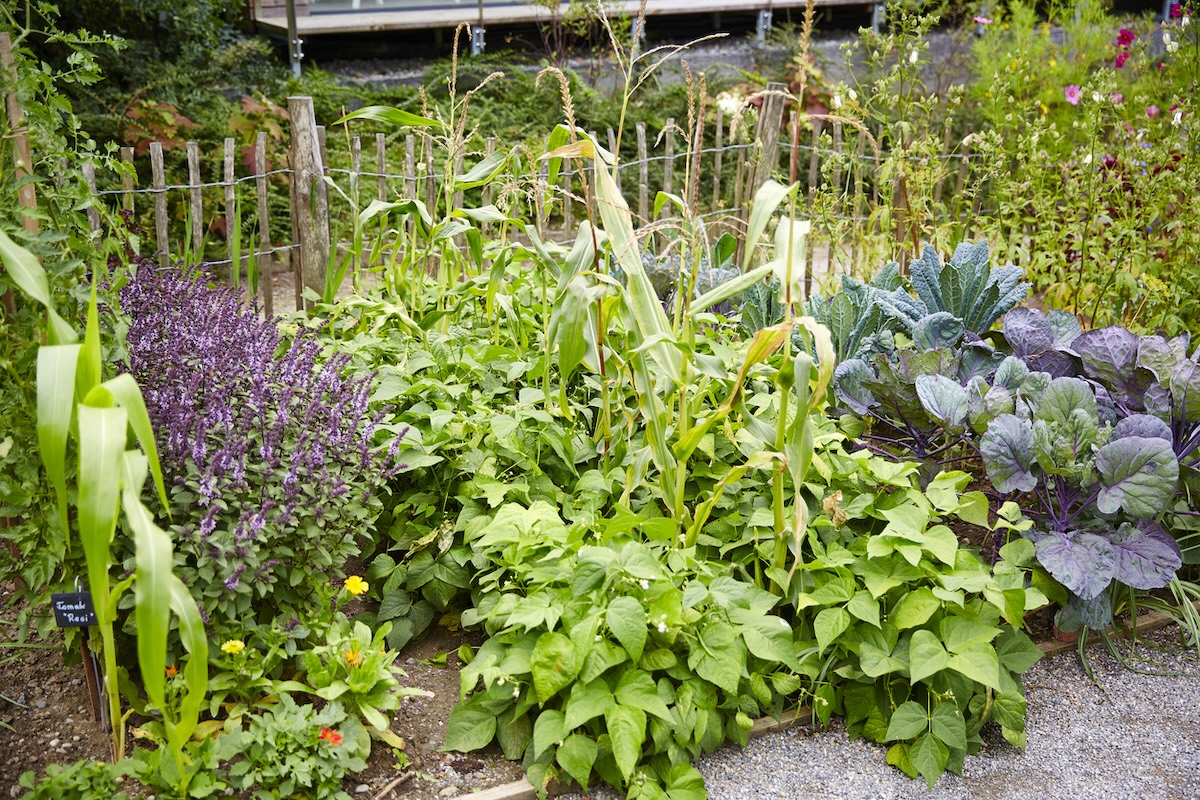
June Gardening: Don't Miss Out on a Fall Harvest!
The common misconception that spring is the only window for successful vegetable gardening often leads aspiring green thumbs to miss out on months of fresh produce. But veteran gardeners know a secret: June gardening is a powerful opportunity, especially for those dreaming of bountiful fall harvests. As the days lengthen and the soil warms to optimal temperatures, planting in late spring and early summer offers unique advantages that can extend your harvest season well into autumn. So, if you've been wondering whats growing in the garden late june, you're in for a delightful surprise!
Planting vegetables in June isn't just about catching up; it's a strategic move. Warmer soil temperatures lead to quicker germination for many seeds, giving them a strong start. Plus, many of the pests that plague young spring seedlings have already completed their first life cycles or are less of an issue for later plantings. With the right selection of fast-maturing, heat-tolerant varieties, you can ensure a steady supply of homegrown deliciousness, right up until the first frost. Dive into the world of summer planting and discover how to transform your garden into a continuous source of fresh food. For more insights into why this period is so beneficial, check out our article on Why June is the Perfect Time to Plant Your Garden (and What to Grow).
Embracing the Benefits of Late June Planting
Late June offers a unique set of circumstances that can turn your gardening efforts into a resounding success. The soil, thoroughly warmed by weeks of sunshine, acts as a natural incubator, encouraging rapid seed germination and vigorous seedling growth. This means less waiting and faster results for many crops. Furthermore, by planting later, you often bypass the initial surge of certain spring pests, allowing your young plants a more peaceful start.
Another significant advantage is the ability to extend your harvest. While many gardeners wrap up their planting by May, those who continue into June are setting themselves up for a second wave of produce, ensuring fresh vegetables grace their tables throughout the late summer and into the crisp days of fall. This "succession planting" strategy maximizes your garden's output and keeps the joy of harvesting alive for longer. It's all about choosing the right varieties that can mature efficiently before the growing season concludes.
Top Vegetables to Sow in June for Bountiful Fall Feasts
When considering whats growing in the garden late june, the focus shifts to quick-growing and heat-tolerant crops that can beat the clock before cooler temperatures arrive. Here are some of the best choices that will reward you with delicious fall harvests:
Beans (Bush and Pole Varieties)
Beans are arguably one of the best choices for June planting, and they are definitely a highlight of whats growing in the garden late june. Both bush and pole beans germinate swiftly in warm soil and mature in a mere 50 to 60 days. This makes them ideal for multiple successions throughout the summer. Bush beans (e.g., 'Contender', 'Provider') are compact and don't require support, making them perfect for smaller spaces or container gardening. Pole beans (e.g., 'Kentucky Wonder', 'Blue Lake') offer higher yields in the same footprint but need a trellis, stakes, or a sturdy fence to climb. Plant seeds directly in full sun with well-draining soil (pH 6.0-7.0). To ensure a continuous supply, plant a new batch every two weeks until about 8-10 weeks before your first expected frost. Consistent watering at the base helps prevent fungal diseases, and frequent harvesting encourages the plant to produce more pods throughout the season.
Beets (Roots and Greens)
Often associated with spring, beets are surprisingly resilient and perform exceptionally well as a summer-planted crop. They mature in 50-60 days, and the warm June soil actually speeds up germination, which can sometimes be sluggish in cooler spring conditions. Sow seeds directly in the garden about ½ inch deep and 1 to 2 inches apart. Once seedlings are a few inches tall, thin them to 3-4 inches apart, and don't let those thinnings go to waste! Young beet greens are a fantastic addition to salads. For varieties, 'Detroit Dark Red' and 'Bull's Blood' are excellent choices. Keep the soil consistently moist, especially during hot spells, to prevent the roots from becoming woody and to ensure a sweet, tender flavor.
Carrots (Sweet Fall Harvests)
June-planted carrots offer a delightful advantage: they often develop a sweeter flavor profile than their spring counterparts because they mature during the cooler temperatures of early fall. For late-season success, opt for shorter, faster-maturing varieties like 'Napoli', 'Danvers Half Long', or 'Paris Market', which typically mature in 55-70 days. The key to straight, well-formed carrots is loose, stone-free soil. Work in some compost to improve soil structure. Plant seeds ¼ inch deep, watering gently but thoroughly after planting and keeping the soil consistently moist until germination. Thin seedlings to 2-3 inches apart to allow adequate root development. A layer of mulch is highly recommended to retain moisture, suppress weeds, and prevent the 'shoulders' of the carrots from turning green from sun exposure.
Sweet Corn (A Summer Staple)
Sweet corn can absolutely be a star in your June garden, particularly if you choose fast-maturing varieties that can be ready for harvest in 70-80 days. Varieties like 'Early Sunglow' or 'Quickie' are excellent for shorter growing seasons. Plant seeds 1 to 2 inches deep in blocks of at least four rows rather than single rows. This is crucial for proper wind pollination and ensures well-filled ears. Space plants about 12 inches apart. Corn is a heavy feeder and a thirsty plant, especially during the critical tasseling and ear-development stages. Ensure consistent watering. Side-dress with a nitrogen-rich fertilizer when plants are knee-high. Harvest ears when the silk ends turn brown and a milky substance is released when a kernel is punctured – the ultimate test for optimal sweetness.
Cucumbers (Crisp & Refreshing)
Cucumbers revel in warm soil and boast remarkably fast growth, making them perfect for your June planting plans. They can go from seed to harvest in as little as 50-70 days. Choose between bush varieties like 'Salad Bush' (great for containers) or vining types such as 'Marketmore 76' or 'Straight Eight'. Vining cucumbers benefit greatly from trellising, which keeps fruits clean, saves space, and makes harvesting easier. Plant seeds an inch deep and 2-3 feet apart if vining, or 1-2 feet apart for bush types. Consistent, deep watering is vital, especially during fruiting, to prevent bitter-tasting cucumbers. Watch out for cucumber beetles; row covers can offer protection during their early stages. Harvest frequently to encourage continuous production and prevent over-ripening.
Zucchini & Summer Squash (Prolific Producers)
If you're looking for abundant harvests from a June planting, look no further than zucchini and summer squash. These vigorous plants thrive in the warm soil and sunshine of early summer, producing a harvest in just 45-60 days. Varieties like 'Black Beauty' zucchini or 'Early Prolific Straightneck' squash are excellent choices. Plant seeds 1 inch deep, spaced 2-3 feet apart, allowing plenty of room for their expansive growth. While they are relatively easy to grow, consistent watering is essential, especially when fruits are developing. Be vigilant for squash vine borers and squash bugs, which can be major pests. Regular harvesting when fruits are young and tender (typically 6-8 inches for zucchini) ensures the best flavor and encourages the plant to produce even more.
Swiss Chard & Kale (Hardy Leafy Greens)
While many leafy greens bolt in summer heat, Swiss chard and kale are exceptions, making them fantastic choices for whats growing in the garden late june for an ongoing harvest. Both are incredibly nutritious and surprisingly heat-tolerant. Swiss chard, with its colorful stems (e.g., 'Bright Lights'), and various kales (e.g., 'Lacinato' or 'Red Russian') can be harvested continuously by picking outer leaves, allowing the plant to keep producing new growth. They mature in 50-65 days. Plant seeds ½ inch deep and thin seedlings to 6-12 inches apart. Ensure consistent moisture, and consider providing some afternoon shade in the hottest climates to prevent bitterness and extend their vigor. These hardy greens will provide fresh salads and cooking greens well into the fall, often surviving light frosts.
Essential Tips for Late June Gardening Success
To maximize your June planting efforts and secure a fantastic fall harvest, consider these key practices:
- Water Deeply and Consistently: With warmer temperatures, evaporation increases. Ensure your plants receive adequate water, especially during germination and early growth. Deep watering encourages stronger root systems.
- Mulch, Mulch, Mulch: A good layer of organic mulch (straw, shredded leaves, wood chips) around your plants is invaluable. It conserves soil moisture, suppresses weeds, and helps regulate soil temperature, all critical factors in summer.
- Know Your Frost Date: While June planting extends your season, always keep your average first fall frost date in mind. This will help you choose varieties with appropriate maturity times.
- Fertilize Mindfully: Many vigorous summer crops are heavy feeders. Consider side-dressing with compost or a balanced organic fertilizer as plants grow, particularly after the initial flush of growth.
- Monitor for Pests and Diseases: Summer brings its own set of challenges. Regularly inspect your plants for signs of stress, pests, or disease and address issues promptly using organic methods whenever possible.
- Consider Fast-Growing Varieties: Prioritize varieties with shorter 'days to maturity' (DTM) to ensure they have enough time to produce before the season ends. For more ideas, check out Fast-Growing Veggies for Your June Garden: Harvest Fresh Produce Soon.
Conclusion
Don't let the calendar dictate your gardening enthusiasm. June is far from too late to plant a vibrant and productive vegetable garden. By understanding the advantages of warm soil and selecting the right fast-growing and heat-tolerant crops, you can easily extend your harvest season and enjoy fresh, homegrown produce well into the fall. From crisp cucumbers and sweet carrots to bountiful beans and prolific squash, the possibilities for whats growing in the garden late june are truly exciting. So, grab your seeds, head out to your garden, and prepare to savor the delicious rewards of your summer planting efforts!
