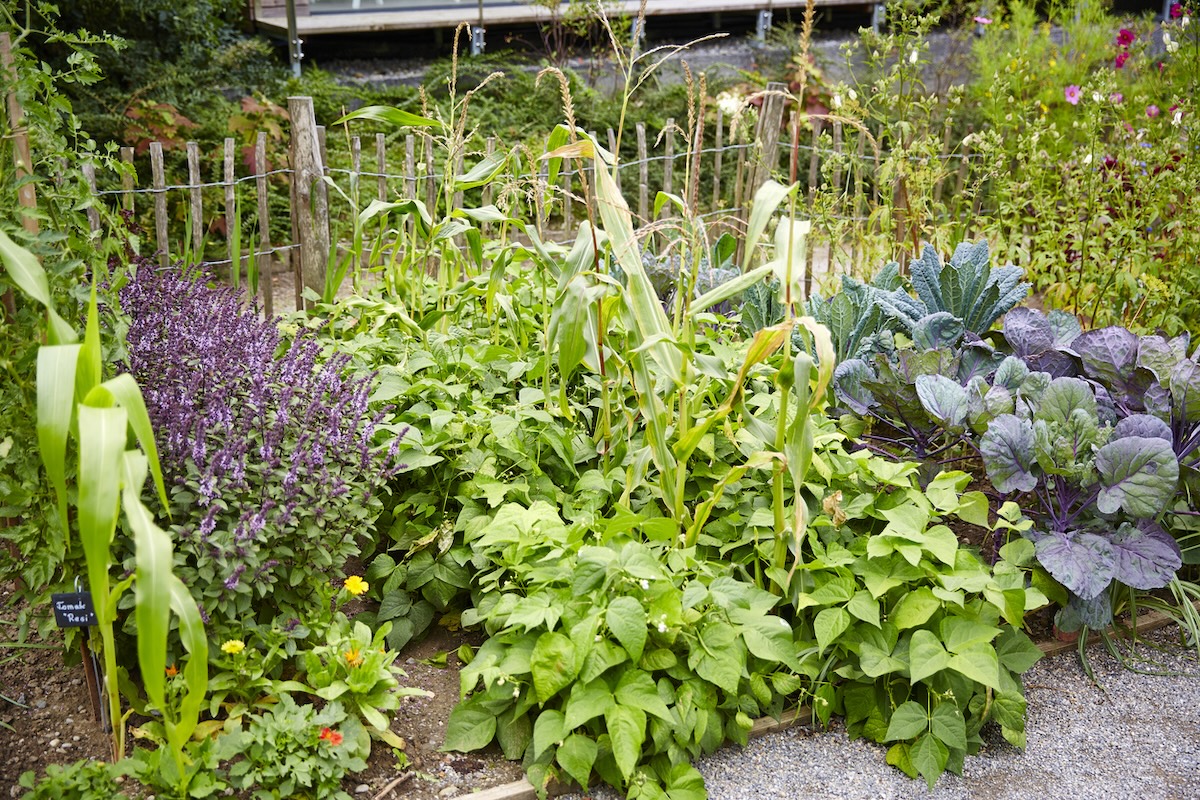
Why June is a Gardener's Secret Weapon for Bountiful Harvests
There's a persistent myth in gardening circles that the spring planting window is the only one that truly matters. Many aspiring green thumbs believe that if you miss the early spring rush, you might as well pack up your trowel and wait until next year. However, this couldn't be further from the truth! June, often overlooked, is actually a remarkably opportune time for gardeners across many regions. Far from being "too late," early summer offers unique advantages that can lead to abundant, delicious harvests stretching well into the fall. So, if you're wondering what's growing in the garden late June or what you can still plant for a fantastic yield, prepare to be pleasantly surprised.
June planting comes with a host of benefits: the soil is warm and inviting, promoting rapid germination; many early-season pests have already passed their peak activity, giving young plants a better start; and the longer daylight hours provide ample energy for vigorous growth. By strategically choosing fast-maturing, heat-tolerant, and fall-friendly varieties, you can ensure your garden remains productive and vibrant throughout the summer and beyond. Let's delve into why June is the perfect time to get your hands dirty and what incredible produce you can cultivate.
Dispelling the Myth: The Undeniable Advantages of June Planting
For savvy gardeners, June isn't a missed opportunity; it's a strategic pivot point. The shift from spring's often unpredictable weather to the consistent warmth of early summer creates ideal conditions for specific types of crops. Here's why June planting can be a game-changer for your garden:
- Warm Soil for Rapid Germination: Many heat-loving vegetables, from beans to corn, absolutely thrive when their seeds are sown directly into warm soil. Unlike the cooler temperatures of early spring, which can slow down or even inhibit germination for some plants, June soil temperatures are consistently high, leading to quicker sprouts and a head start on growth.
- Reduced Pest Pressure: A surprising advantage of mid-season planting is often fewer pest problems. The peak activity for certain early spring pests may have already passed, giving your newly emerging seedlings a window of opportunity to establish themselves before facing significant challenges.
- Succession Planting Excellence: June is ideal for succession planting. If you've already harvested an early spring crop like lettuce or peas, June offers the perfect chance to replant that space with something new, extending your garden's productivity and ensuring a continuous supply of fresh produce.
- Sweeter Fall Harvests: Many vegetables, particularly root crops like carrots and beets, develop an even sweeter flavor when they mature during the cooler temperatures of late summer and early fall. Planting them in June allows them to grow robustly through the summer and then finish their development in these ideal conditions.
The key to success lies in choosing the right vegetables – those that mature relatively quickly or are known for their heat tolerance – and providing them with proper care. With a little planning, you'll be enjoying fresh, homegrown produce well into the autumn months.
Top Picks for Your Late June Garden: What's Thriving Now
So, what's growing in the garden late June that you can confidently plant for a rewarding harvest? Here are some of the stars of the mid-season garden, complete with tailored tips for success:
Beans (Bush and Pole)
Beans are perhaps one of the most reliable and rewarding crops for a late June planting. They absolutely revel in warm soil, germinating quickly and often producing their first harvest within 50 to 60 days. Both bush and pole varieties are excellent choices:
- Bush Beans: These compact plants don't require support and are perfect for smaller spaces or container gardens. Plant new batches every two weeks until about 8-10 weeks before your first expected frost for a continuous supply.
- Pole Beans: While they need a trellis, stake, or teepee for support, pole beans offer a much longer harvest window and often higher yields. Consider companion planting them with corn (the "three sisters" method) for mutual benefit.
Beans prefer full sun and well-draining soil with a pH between 6.0 and 7.0. Water consistently at the base to prevent fungal issues and harvest frequently to encourage more production throughout the season. The more you pick, the more they'll produce!
Beets
Don't underestimate beets as a summer-planted crop. They thrive in June's warm soil, which actually speeds up their germination – a process that can be sluggish in cooler spring conditions. Beets mature in just 50 to 60 days, offering a dual harvest of both roots and greens.
Plant seeds directly in the garden about ½ inch deep and 1 to 2 inches apart. Once seedlings are a few inches tall, thin them to 3 to 4 inches apart. Those thinnings aren't waste – young beet greens are tender and delicious in salads! Keep the soil consistently moist, especially during hot spells, to prevent the roots from becoming woody and to ensure a sweet, tender flavor. Like beans, successive plantings every few weeks will provide a steady stream of fresh beets.
Carrots
Here's a delightful secret: June-planted carrots often taste sweeter than their spring-planted counterparts! This is because they mature as fall temperatures begin to cool, concentrating their sugars. For the best late-season results, choose shorter, faster-maturing varieties like 'Napoli', 'Danvers', or 'Paris Market', which typically mature in 55 to 60 days.
The key to successful carrots is loose, stone-free soil. Prepare your bed by digging deeply and removing any obstacles. Plant seeds ¼ inch deep, water gently but thoroughly, and keep the soil consistently moist until germination. Thin seedlings to 2 inches apart to allow proper root development. A layer of mulch is highly recommended to retain moisture, suppress weeds, and prevent the tops of the carrot roots (the "shoulders") from turning green and bitter.
Sweet Corn
Yes, you can absolutely plant sweet corn in June in many growing zones, especially if you opt for fast-maturing varieties that need only 70 to 80 days to harvest. Look for cultivars specifically bred for quicker maturity.
Plant seeds 1 to 2 inches deep, but remember a crucial tip for corn: plant in blocks of at least four rows, rather than single rows. This "block planting" ensures adequate wind pollination, which is essential for well-filled ears. Space individual plants about 12 inches apart. Corn is a thirsty crop, so keep it well-watered, particularly during the critical tasseling and ear-development stages. Side-dress with a nitrogen-rich fertilizer when plants are about knee-high to support their rapid growth. Harvest when the silk ends turn brown and kernels release a milky substance when punctured – a true taste of summer!
Cucumbers
Cucumbers are undeniable heat lovers, making them perfect candidates for June planting. They germinate quickly and grow remarkably fast, delivering a refreshing harvest within 50-70 days depending on the variety. Both bush and vining types are available.
Cucumbers thrive in full sun and rich, well-draining soil. Provide them with consistent moisture, especially once they start flowering and fruiting, to prevent bitter-tasting fruits. For vining varieties, offering a trellis or cage is highly beneficial. This not only saves space in your garden but also keeps the fruit off the ground, reducing the risk of rot and making harvesting easier. Keep an eye out for cucumber beetles and diseases like powdery mildew, addressing them promptly. Harvest frequently when fruits are young and tender to encourage continuous production.
For more options and to ensure you're harvesting quickly, explore our guide on Fast-Growing Veggies for Your June Garden: Harvest Fresh Produce Soon.
Essential Tips for June Planting Success
To maximize your chances of a successful late June garden, keep these general tips in mind:
- Soil Health is Paramount: Always start with well-draining, nutrient-rich soil. Amending your garden beds with plenty of compost before planting will give your crops a fantastic foundation for growth.
- Consistent Watering: June often brings warmer temperatures, so consistent and deep watering is crucial. Avoid shallow watering, which encourages shallow root systems. Aim for deep, infrequent watering that reaches the roots. Mulching heavily around your plants will significantly help retain soil moisture and keep soil temperatures more even.
- Choose Wisely: Focus on fast-maturing varieties (check the "days to maturity" on seed packets) and those known for their heat tolerance. This ensures they have enough time to produce before the first frost, especially if you're in a region with shorter growing seasons.
- Monitor for Pests and Diseases: While June planting can reduce some early pest issues, new challenges may arise. Regularly inspect your plants for signs of stress, pests, or disease and address them promptly, ideally with organic solutions.
- Succession Planting Strategy: To enjoy continuous harvests, plan to plant smaller batches of your favorite short-season crops (like beans, beets, and radishes) every two to three weeks until about 8-10 weeks before your typical first frost date. This ensures a steady supply rather than a single overwhelming glut. For more in-depth advice on extending your harvest, check out our guide on June Gardening: The Best Vegetables to Plant Now for Fall Harvests.
- Consider Shade for Delicate Crops: For some leafy greens or if you're experiencing an intense heatwave, providing a bit of afternoon shade (e.g., with shade cloth) can prevent bolting and extend their harvest.
Embrace the Potential of Your June Garden
June is far from being a time to abandon your gardening ambitions; it's a vibrant, productive window that savvy gardeners cherish. By understanding the unique advantages of early summer planting and selecting the right crops, you can unlock a wealth of fresh, homegrown produce that will keep your kitchen well-stocked through summer and into the glorious days of autumn. Don't let misconceptions hold you back – grab your gardening tools and discover the amazing potential of what's growing in the garden late June!
